Detect and Fix Bathroom Floor Leaks Early: Signs, Tests, and Pro Help
Bathroom floor leaks usually start small. Maybe you notice a musty smell that never really goes away, or one loose tile that wiggles when you step on it.
Stop Hidden Leaks From Ruining Your Bathroom
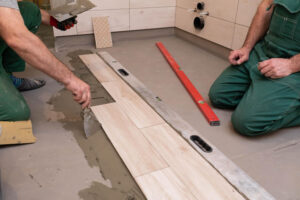
Bathroom floor leaks usually start small. Maybe you notice a musty smell that never really goes away, or one loose tile that wiggles when you step on it. At first it seems like no big deal, but over time that slow leak can rot the subfloor, stain the ceiling below, and force you into a full bathroom flooring installation long before you planned.
Even tiny drips and seepage can soak into wood, weaken framing, and feed mold. What looks like a simple cracked tile or curled vinyl corner might be a sign of deeper damage hiding under the surface. By the time the floor feels bouncy or sinks under your feet, repairs are often messy and disruptive.
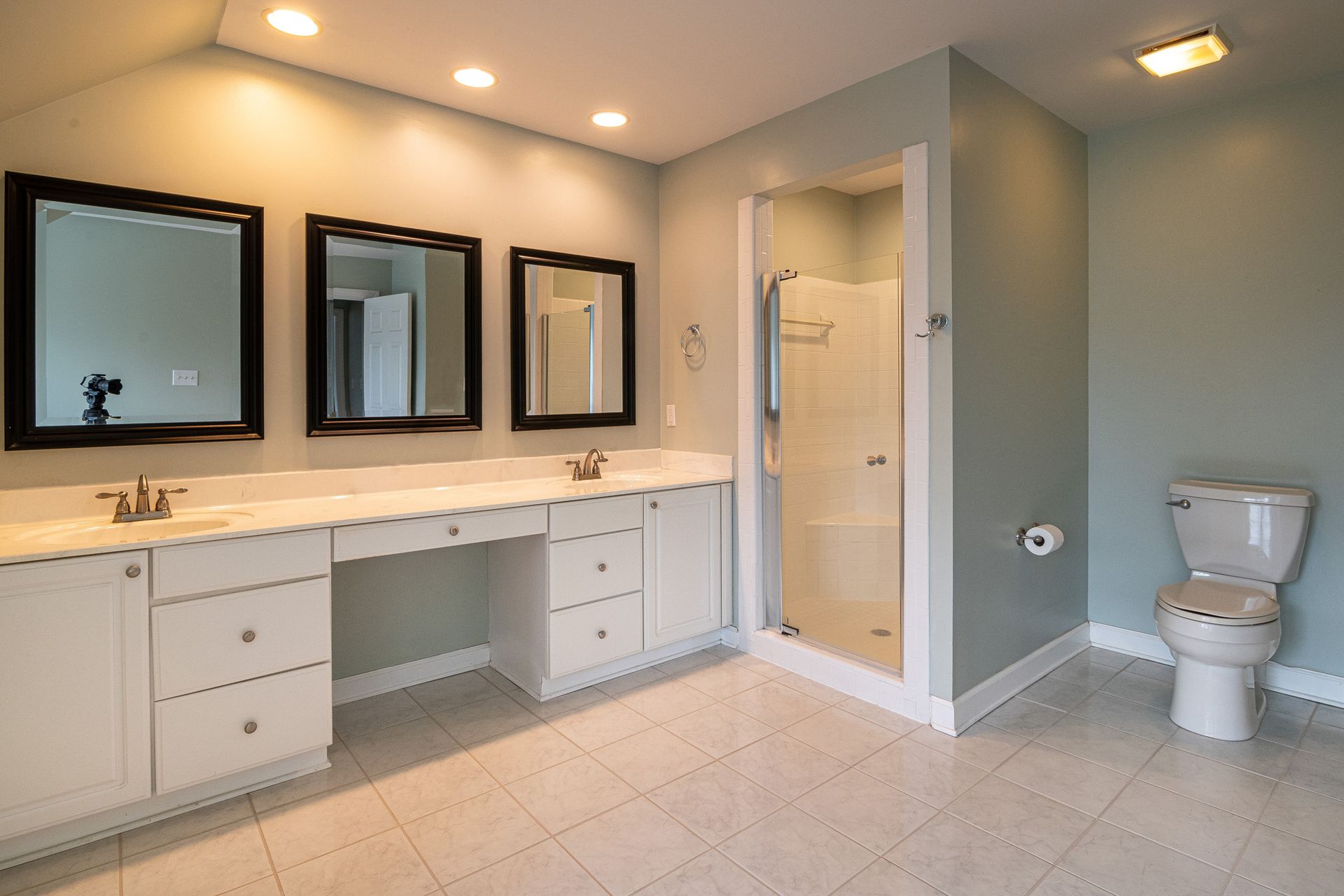
This guide walks through early warning signs, simple moisture checks you can safely try, common leak sources that are easy to miss, and when it is time to bring in a flooring professional to protect your home and any new bathroom flooring installation.
Summer humidity, especially around late July, can make this harder. Extra showers, more people at home, and sticky air keep surfaces damp longer, so leaks can blend in with normal moisture. That is why regular checks are so important right now.
Early Warning Signs Your Bathroom Floor Is Leaking
Your bathroom floor often shows something is wrong before you see major damage. The key is knowing what to look for and feel for.
Watch for visual changes, especially in one area of the room:
- Darkened or dirty-looking grout lines that do not clean up
- Vinyl that curls at the edges or bubbles in the middle
- Laminate boards with swollen or raised edges
- Tile that cracks, rocks, or feels loose under your feet
- Random stains or brown spots on the ceiling below the bathroom
Your feet and nose can also pick up early clues. Pay attention if:
- Parts of the floor feel soft, spongy, or springy
- You notice warmer or cooler patches that do not match the rest of the room
- There is a musty or mildew smell that comes back even after you scrub
- Someone in the home has new or worse allergy issues mainly around the bathroom
Do a quick scan around fixtures as well:
- A toilet that feels wobbly or moves when you sit down
- Water seeping or staining around the toilet base
- Caulk pulling away from the tub, shower, or corners
- Damp spots that keep coming back around the vanity or along baseboards
Catching these signs early can save both your current floor and the subfloor underneath. When hidden moisture is stopped quickly, a future bathroom flooring installation is usually simpler and more straightforward.
Simple Moisture Tests Homeowners Can Do Safely
You do not need special training to spot a moisture problem starting under your bathroom floor. A few safe, low-stress tests can provide useful clues.
First, try very simple touch and towel checks:
- Start with a clean, dry paper towel or cloth
- Wipe tightly around the toilet base, tub surround, and along baseboards
- Check for any dampness on the towel, even if the floor looks dry
- Repeat at different times over a few days, especially after showers
Next, use a basic plastic sheet and tape test for suspect areas. This can show if moisture is coming from below the surface:
- Cut a small piece of clear plastic, like from a storage bag
- Tape it tightly over the area where you suspect moisture
- Leave it in place for 24 to 48 hours
- If condensation forms underneath the plastic, it can mean moisture is rising from below the floor, not just sitting on top
You can also use a simple consumer moisture meter:
- Take “normal” readings in a dry part of the bathroom or nearby hallway
- Then check near the tub, shower, toilet, and vanity
- Compare the numbers, not just the single reading
- An area that shows a clearly higher level than other parts of the room can point to hidden moisture
There are limits to what makes sense to do yourself. Avoid tearing up flooring, drilling holes, or opening walls without a clear plan. If your tests show consistent dampness or rising readings, especially if you are considering a new bathroom flooring installation, this is a good time to bring in a professional.
Common Sources of Bathroom Floor Leaks You Might Miss
Many leaks start from places you do not see every day. Some are slow, quiet, and easy to ignore until the damage shows up somewhere else.
Plumbing connections are common trouble spots:
- Loose toilet flange bolts allowing movement at the base
- A worn wax ring under the toilet that lets water seep out with every flush
- Small drips from supply lines or shutoff valves under the vanity
- Shower valves leaking behind the wall and sending water under the floor
Even if the plumbing is fine, surface failures can let water get where it should not go:
- Cracked grout joints between tiles
- Missing or split caulk around tubs, showers, and corners
- Gaps where different materials meet, like tile to tub or flooring to baseboard
- Floors or shower curbs that are not sloped correctly so water sits and seeps in
Past installation issues can also set the stage for leaks to cause faster damage:
- Vinyl or laminate seams that were never sealed well
- Floors installed without the right underlayment for wet areas
- Tile set without a proper waterproof membrane underneath, common in older bathrooms
Seasonal habits can make a small leak worse. In summer, more showers, kids at home, and visiting guests add extra water to the space. Humid air keeps that moisture from drying quickly, so even tiny leaks have more time to soak into subfloors and feed mold growth.
When to Call a Flooring Pro and What to Expect
There comes a point when a bathroom floor problem needs a professional eye. Some red flags are hard to ignore:
- Musty odors that do not go away after deep cleaning
- Floors that sag, bounce, or feel uneven in spots
- Visible mold on caulk, grout, or walls
- Ceiling stains that keep coming back below the bathroom
- Moisture tests that show dampness in the same area again and again
When you contact a flooring professional, the goal is to understand the full picture, not just the surface. A flooring professional will typically:
- Inspect the bathroom floor and nearby rooms for signs of movement, discoloration, or moisture
- Check subfloor integrity where possible to see if wood is soft or damaged
- Point out likely leak sources and, when needed, coordinate with a plumber
- Recommend repair or replacement options based on the level of damage and your goals
Addressing moisture and structural issues first is always the smart move. Putting new flooring over a wet, weak subfloor almost guarantees the same problems will return. It can also affect warranties and shorten the life of new materials.
With expert guidance during an in-home consultation, you can choose water-resistant options that fit your space, such as tile, certain types of luxury vinyl, or waterproof laminate designed for baths. Good design and the right materials help your bathroom handle busy family routines and humid months without constant worry.
Protect Your Floors Now with a Summer Checkup
This is a useful time for a quick bathroom leak check. Walk your floors, look closely around fixtures, and try the simple moisture tests covered here. A short “bathroom audit” this week can help you spot small issues before back-to-school routines and holiday plans start to fill up your calendar.
Sam’s Flooring Gallery can help you evaluate bathroom flooring installation options that stand up to daily use and local conditions. Catching leaks early protects your home’s structure, keeps indoor air fresher, and helps your current or future bathroom floors last much longer.
Get Started With Your Project Today
If you are ready to upgrade your space, our experts can handle every detail of your bathroom flooring installation from start to finish. At Sam’s Flooring Gallery, we help you choose materials that fit your style, budget, and daily routine. Tell us about your project and we will provide clear recommendations and a smooth installation process. Reach out today through our contact page to schedule your consultation.