Steps to Protect New Floors When Moving into Your Home
Protect your floors during move-in with simple tips that keep your residential flooring installation looking clean, smooth, and damage-free.
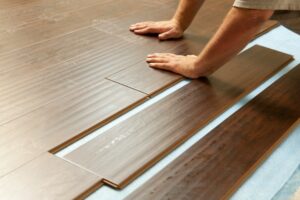
Moving into a new home is one of those moments that just feels good. Everything’s fresh, full of possibility, and ready for a new chapter. For many people, one of the first things they notice is the floor. Whether it’s warm wood, soft carpet, or smooth tile, it’s the part of the house you feel with every step. After a residential flooring installation, the last thing anyone wants is to see scratches or dents before the boxes are even unpacked.
That’s why taking a few steps ahead of move-in day matters. It only takes one scuffed shoe or a dropped dresser corner to mark up brand-new floors. With just a little care, it’s possible to move everything in safely without leaving any signs behind.
Prep the Path: Before the First Box Comes In
The easiest way to protect floors is to set up your space before anything is carried through the door. Walkways should be clear of sticks, leaves, or sand, especially near entry points. If there’s any yard work happening before the move, plan to sweep or blow off nearby sidewalks so no grit is brought in.
Once that’s done, it’s smart to cover the floors. Here are a few things that can work well:
- Cardboard or floor runner mats placed from the main entrance to high-traffic zones
- Furniture pads or area rugs used temporarily over newly installed surfaces
- Plastic sheets secured with painter’s tape where spills or traffic might be expected
These layers help absorb weight, catch dirt, and let people walk in and out without causing direct wear. It’s just like laying the groundwork before building anything else. Moving does not have to be rough on your new floors if you plan ahead.
Choose the Right Footwear and Tools
What’s on people’s feet during moving day matters more than you’d think. Heavy boots and shoes with deep treads can leave marks, even on strong materials. It’s best to keep the inside of the house a no-hard-shoes zone. Sneakers or socks work better for safely walking around once inside.
If you’re bringing in furniture or appliances, be mindful of what’s underneath them during the move. Wheels and sliders are helpful, but only if they’re soft enough not to scrape the surface. Try to use:
- Rubber-wheeled dollies made for indoor use
- Felt furniture sliders under large, heavy items
- Lift straps when possible to keep things off the ground
Dragging anything across a new floor leaves behind more than stress; it leaves behind damage that’s hard to ignore. Tools that roll smoothly or lift the item above the floor take a bit more effort but protect the finish more effectively.
Cover and Protect High-Traffic Zones
Some parts of the home always get more foot traffic during a move. Entry doors, hallways, and spaces where turns happen often take the worst hits. These areas benefit most from having soft pads or runners in place before the move begins.
During spring in Sugar Land, Texas, pollen and dust can collect quickly, especially if doors are left open. Add a little mud from the yard, and floors can get messy fast. To help handle that, use:
- Doormats inside and outside to catch debris
- Clean towels, blankets, or pads on the floor near corners or turns
- Temporary rugs in front of sinks, stoves, and other key spots
Once furniture starts coming in, setting it down on a blanket or thick mat first can make a big impact. It’s not just about big damage; small dings from setting something down too fast can be just as frustrating long term.
Watch Out for Boxes, Plants, and Big Furniture
Each item that gets moved into the house has the chance to either land softly or cause a dent. The way boxes are packed and carried matters more than most people realize. Don’t stack heavy ones on top of light ones, and avoid dragging big bins across the floor just to make room.
Certain items are more likely to cause trouble if dropped or dumped quickly. Keep an eye on:
- Furniture with metal or wood feet that need to be wrapped in cloth before being moved
- Cardboard boxes with staples or ripped edges that could scratch
- Potted plants that may leak water underneath or spill loose soil during movement
Setting furniture directly on a slippery surface can scratch or press into materials over time. A quick layer of felt or cardboard in between the item and the floor helps take the pressure off for those first few days.
Final Checks After the Furniture Is In
After the last item comes through the door, it’s good to do a full sweep of the space. Look along corners, near doors, and underneath large pieces. Catching a scuff early means it can be cleaned or fixed before it becomes permanent.
It’s also smart to:
- Wipe up any spills from snacks, drinks, or bottled water right away
- Dust off pollen or dirt carried in from outside with a soft mop or cloth
- Take off any protective floor mats or layers slowly to avoid pulling up corners
A light cleanup helps reset the space while giving you a better view of how the floor handled the move. If something seems off or misplaced, it’s easier to fix it now while the room is still fairly open.
Start Life on the Right Foot (and Floor)
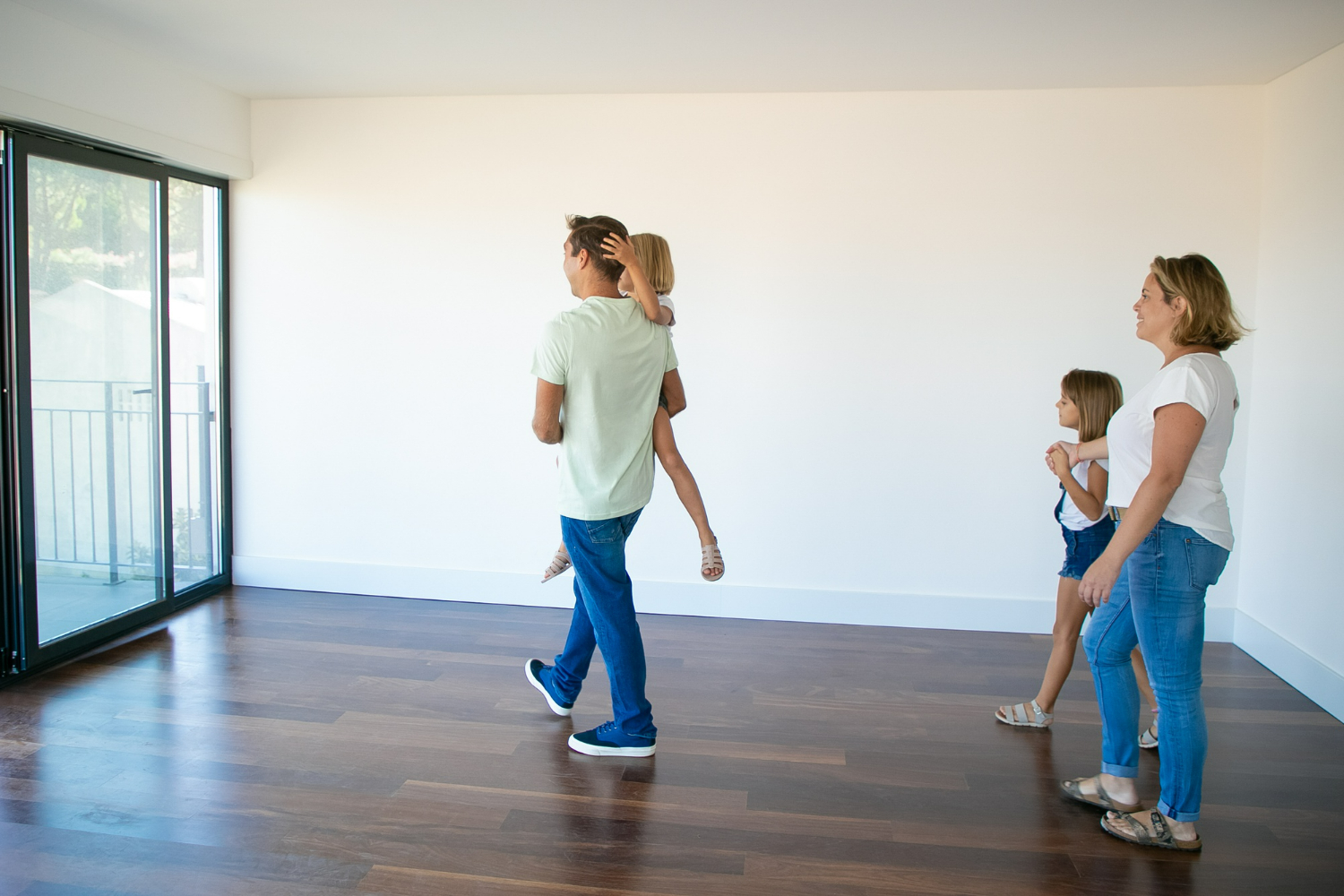
That first walk through your new home should feel like a fresh start. When the floors still look clean and smooth after move-in day, it sets the right tone from the very beginning. Taking just a few extra steps before, during, and after the big day can keep the results of your residential flooring installation looking exactly how they should.
We understand how important it is for everything to go right during the move. Protecting your floors isn’t about making life harder. It’s about keeping what’s already done in the best shape possible, so the rest of the space feels ready for whatever’s next.
Getting ready for move-in day means making smart choices before the first box arrives and ensuring your new space starts off right. We are here to guide your process and help keep floors safe from damage. When considering a residential flooring installation, understanding how to care for your investment from day one can make all the difference. At Sam’s Flooring Gallery, we believe a little protection upfront brings peace of mind later. Give us a call today to talk through your plans or schedule a time to connect.