Can Professional Flooring Installation Solve Uneven Subfloor Issues?
Learn how professional flooring installation addresses uneven subfloors, helping create a stable, durable foundation for beautiful new floors.
Create a Smooth Foundation Before Holiday Hosting
Uneven floors can stand out fast when you are preparing your home for Thanksgiving dinner, holiday parties, or an end-of-year refresh. A floor that feels soft, slopes slightly, or makes noise underfoot can distract from even the most beautiful room. Before new flooring goes in, the surface beneath it needs attention.
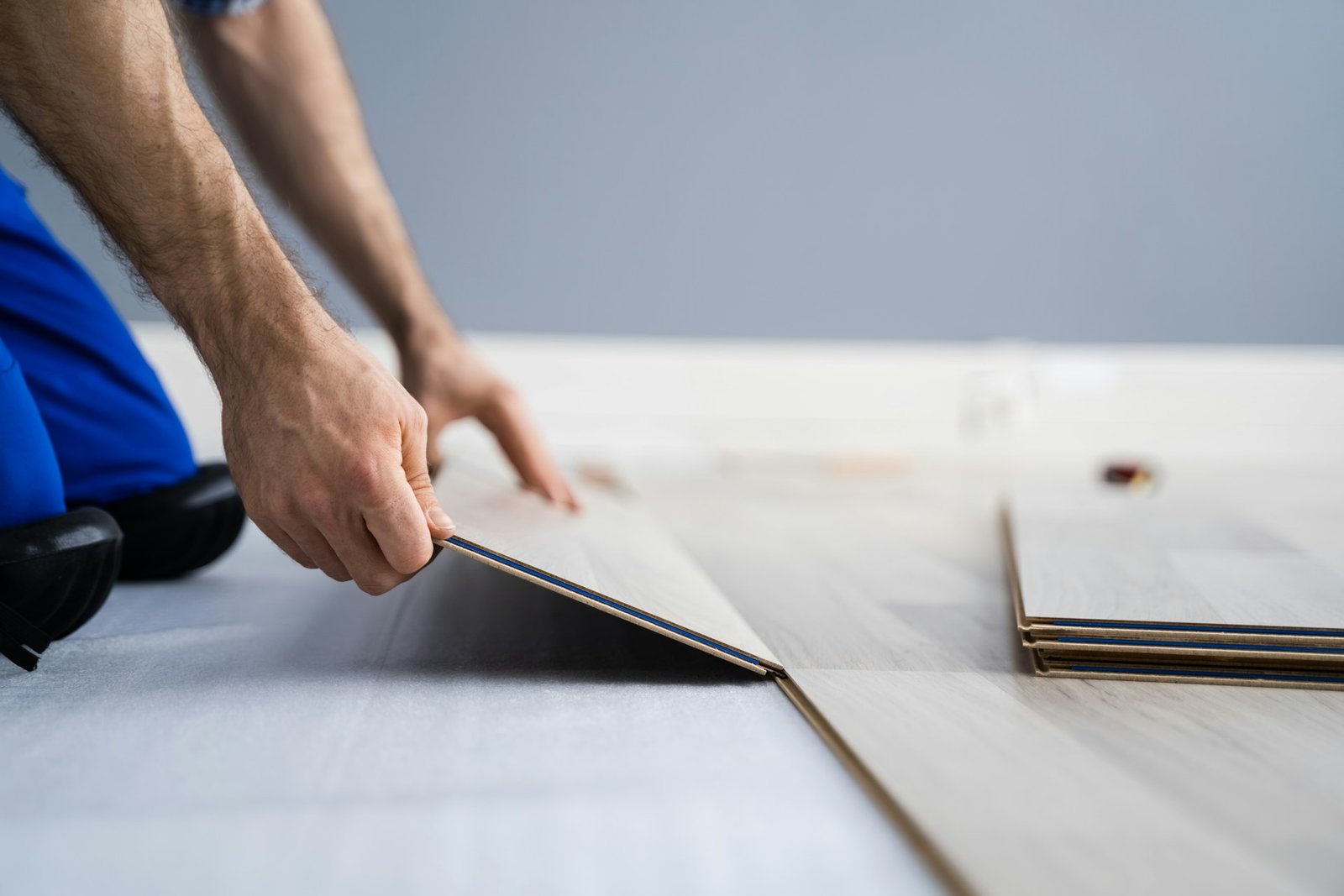
At Sam’s Flooring Gallery, we know that professional flooring installation is about more than placing new material on top of an old floor. A stable, smooth subfloor helps your new hardwood, tile, carpet, laminate, or vinyl look better and perform as intended in Sugar Land homes and commercial spaces.
Some signs point to an issue below the surface:
- Squeaking, popping, or creaking when people walk across the room
- Soft spots, bouncing areas, or places that feel weak underfoot
- Sloping floors, visible dips, or raised sections
- Cracked tile grout, separating vinyl planks, or gaps in hardwood boards
These concerns may not always mean major structural damage, but they should not be ignored. Covering the symptoms without understanding the cause can lead to trouble after the new floor is installed.
Identify What Is Causing the Unevenness
Moisture is one common reason subfloors change over time. Sugar Land’s humid climate, plumbing leaks, drainage concerns, crawl-space moisture, and moisture from concrete slabs can all affect flooring systems. Wood subfloors may swell, warp, or weaken when moisture lingers, while other materials can shift as conditions change.
Age and movement can also play a part. Settling foundations, shifting joists, damaged plywood, loose fasteners, and past remodeling work may leave a floor less even than it appears from above. Some variations are limited to a small area and can be corrected during preparation. Others may call for more involved repair before any finished flooring is installed.
Removing old flooring often reveals what has been hiding underneath. Carpet can conceal stains, dips, worn sections, and older patchwork. Tile may cover cracks or height differences, while older vinyl can mask uneven spots until it is removed. That is why we begin by looking beneath the existing floor rather than assuming a new product will solve the problem on its own.
Begin with a Professional Assessment
A careful assessment is the starting point for professional flooring installation. We examine the subfloor for flatness, changes in height, moisture conditions, and overall soundness. That process helps us understand whether the surface needs simple preparation or more substantial repair.
It also helps to know that “level” and “flat” are not always the same thing. A room can have a gentle overall slope and still be flat enough for certain flooring products. On the other hand, a room may seem level at first glance but have dips and ridges that can affect the finished floor. Many flooring materials need a consistently flat base so they can sit, lock, bond, or rest properly.
Depending on what we find, preparation may include:
- Removing damaged subfloor materials or weak sections
- Securing loose panels and fasteners
- Sanding down high spots and filling low areas with approved leveling compounds
- Adding underlayment where it fits the selected flooring system
- Replacing compromised materials that cannot provide stable support
The right method depends on the condition of the subfloor and the type of flooring you choose. A one-size-fits-all fix can create new problems, especially when moisture or movement is involved.
Match the Preparation to the Flooring Material
Every flooring material has different needs. Tile and stone need a rigid, even base because movement beneath them can lead to cracked tile or grout. Luxury vinyl and laminate need smooth surfaces so dips, seams, and ridges do not show through over time.
Hardwood needs stable support and proper moisture management to help reduce unwanted movement between boards. Carpet can feel much more comfortable once soft spots and damaged areas beneath it have been addressed. Even thick padding cannot correct an unstable subfloor, so the repair work beneath the carpet matters just as much as the carpet itself.
Once the surface is prepared, we can help you think about how the flooring will work in each room. Hardwood brings lasting warmth and character to living areas. Carpet adds softness in bedrooms and gathering spaces. Tile and stone are durable choices for areas that need a hard-wearing surface, while vinyl and laminate provide flexible style options for active homes and commercial settings.
Kitchens, bathrooms, entryways, offices, and retail spaces each place different demands on a floor. Water resistance, daily foot traffic, comfort, maintenance, and the transition into nearby rooms all deserve consideration before a final choice is made.
Plan Related Updates for a Cohesive Result
Floor replacement can be a good time to look at the room as a whole. New flooring may change the height where one room meets another, which can affect transitions, baseboards, and the overall flow of the space. Planning these details early helps avoid a pieced-together look later.
Our remodeling support can also help when flooring updates are part of a larger plan involving countertops or room-to-room design changes. Coordinating finishes before holiday visitors arrive can make the space feel more intentional, whether you are refreshing one room or preparing for a larger renovation in the coming year.
A prepared subfloor gives you more freedom to choose a finish you truly like, rather than selecting a product simply because it seems easiest to install over an existing problem.
Avoid Problems Caused by Skipping Preparation
Installing new material over an uneven or damaged subfloor may save time at the beginning, but the trouble can show up soon afterward. Tile can crack, laminate can bounce, vinyl seams can look uneven, and hardwood may become noisy or develop visible gaps. Raised areas and low spots can also cause premature wear in high-traffic parts of the room.
Some flooring products have installation requirements related to subfloor flatness, moisture, and stability. Ignoring those requirements can affect how the floor performs. Extra padding, too much adhesive, or a quick cover-up might hide an issue for a short time, but those approaches do not address the movement or moisture causing the problem.
Proper preparation can add steps to a project, yet it helps protect the flooring you select and reduces the chance of disruptive repairs later. A smooth, stable base allows the finished floor to do what it should, welcome guests comfortably, support daily activity, and keep its appearance longer.
Plan Ahead Before the Busy Holiday Season
Uneven subfloor concerns do not automatically mean your flooring project has to stay on hold. With a clear evaluation, the right repairs, and material-specific installation methods, many flooring plans can move forward with confidence.
Before holiday hosting gets underway or next year’s remodeling plans take shape, pay attention to the small signs underfoot. Addressing movement, moisture, soft spots, and uneven areas before new flooring is installed can make the finished space feel more comfortable, stable, and ready for daily life.
Build Confidence From the Ground Up
At Sam’s Flooring Gallery, we assess the condition of your subfloor and recommend practical solutions that support a lasting result. Our professional flooring installation services are designed to help your new floors perform well in everyday use. When you are ready to discuss your project, contact us to get started.
Related Articles