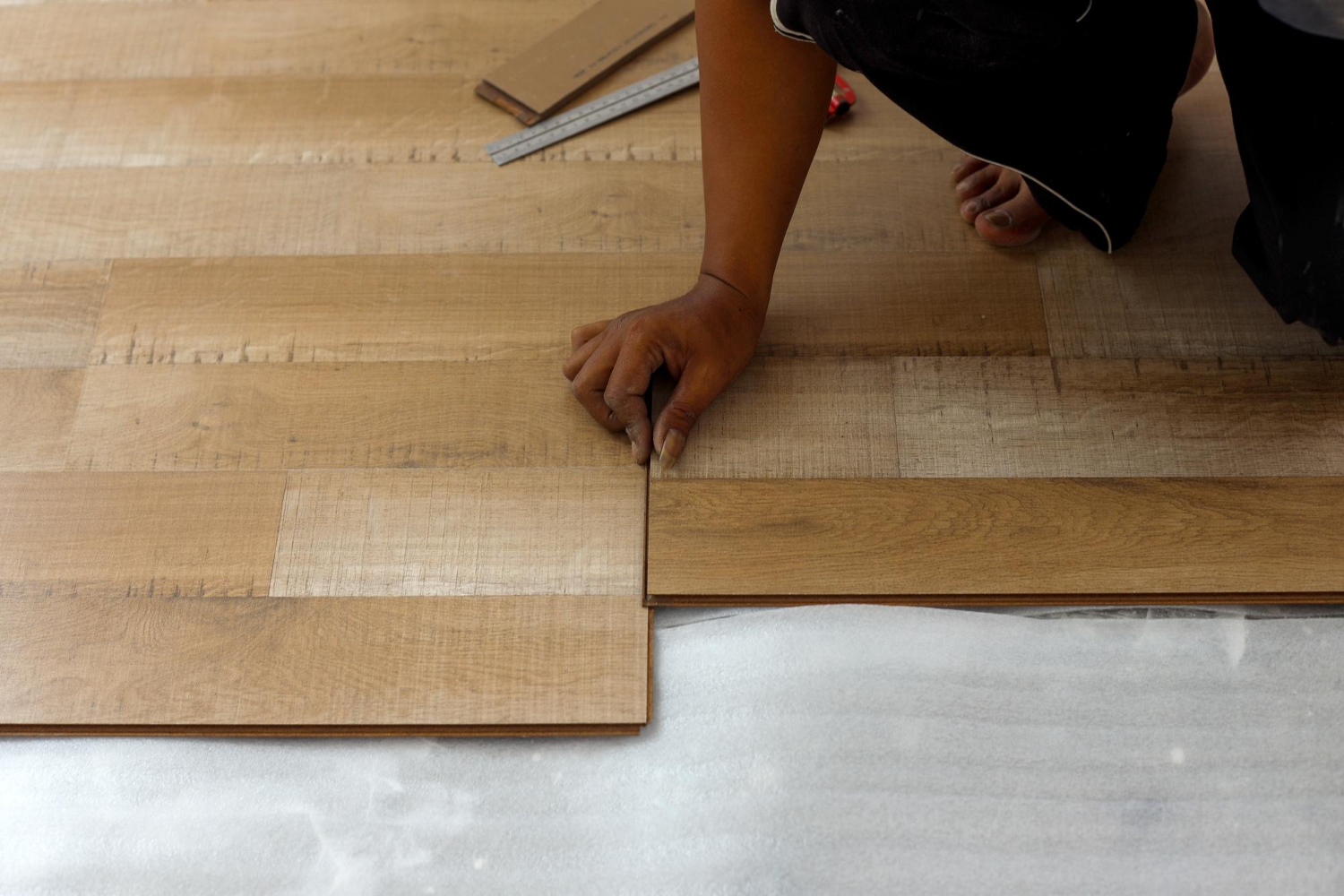
Luxury Vinyl Plank Subfloor Prep: Moisture, Leveling, Underlayment
Vinyl plank flooring installation is popular in Texas for good reason. It looks great, handles busy households and businesses, and is easier to live with than many other floors.
Texas Humidity Is Ruining Your Vinyl Plank Floor
Vinyl plank flooring installation is popular in Texas for good reason. It looks great, handles busy households and businesses, and is easier to live with than many other floors. But in our hot, humid climate, vinyl plank can start to fail in ways that confuse owners and frustrate installers.
Across many parts of Texas, people often see problems months after installation, not right away. Edges start curling, random soft spots show up, a musty smell hangs around after a storm, or boards buckle when summer heat and humidity peak. It can feel like the floor just turned on you.
This article walks through why that happens so often in our climate and what you can realistically fix without ripping everything out. With the right diagnosis and some targeted repairs, a lot of moisture issues can be stopped before they spread across the whole house or business.
Spot the Early Warning Signs Before It Gets Worse
Moisture damage usually starts small. If you catch it early, you have a much better chance of saving most of your floor.
Watch for visual changes such as:
- Gaps that open between planks or joints that peek up at the seams
- Edges that look cupped, curled, or slightly raised compared to the center
- Discoloration, especially darker or yellowish patches near walls or doors
- A hazy or cloudy look on parts of the floor that used to be clear and uniform
- Planks that keep coming unlocked no matter how many times they are snapped back together
You also want to trust what you feel and smell under normal daily use:
- Soft, spongy, or bouncy spots that were solid when the floor was new
- Hollow, drummy sounds when you tap or walk in certain spots
- Musty or mildew odors that get stronger after heavy rain, a storm, or an A/C outage
- A general damp smell in rooms that have stayed closed up for a while
Acting quickly matters. Moisture loves to travel. It can move under planks, creep under baseboards, and spread into nearby rooms. In large open-plan homes and busy commercial spaces, catching a small area early can be the difference between a focused repair and a complete replacement.
How Slab Moisture and AC Cycling Attack Your Floor
Most homes and many businesses in Texas sit on concrete slabs. That concrete is like a giant sponge. It holds moisture and can send water vapor upward into your flooring if there is not enough protection.
Here is why that is such a big deal in Texas:
- High water tables and poor yard drainage can keep soil damp under your slab
- Older homes may not have an effective vapor barrier under the concrete
- Long periods of high humidity keep the slab loaded with moisture
When vinyl plank flooring installation goes directly over that slab without proper moisture control, vapor can push up through the concrete. The warm, humid air under the floor has nowhere to go. Over time, it attacks adhesives, breaks locking systems, and feeds mold.
AC use also plays a big role. Many homes have AC systems that cool the air fast but do not run long enough to pull out enough moisture. That short cycling leaves indoor humidity higher than you think. When cold AC air hits warm surfaces and humid air, condensation forms under and around planks.
Late summer is a perfect storm for this:
- AC units run almost nonstop but may not dehumidify enough
- Thunderstorms keep outdoor humidity high and can add roof or wall leaks
- The temperature difference between your cool home and hot slab increases vapor drive
All of that pushes more moisture into any weak point in the floor, like small gaps, poorly sealed transitions, or thin spots in the underlayment.
Floods, Plumbing Leaks, and Storm Surprises
Moisture problems are not always slow and hidden. Sometimes, they arrive in one bad day.
Tropical systems and local street flooding can send water into first-floor spaces fast. Even a smaller issue, like a leaking refrigerator line, toilet, or sink, can feed water into the floor for a long time before anyone notices. With vinyl plank, the surface may look okay while the real damage is happening below.
It helps to understand the difference between:
- Surface flooding, where water sits on top of the planks
- Sub-slab or wall leaks, where water sneaks under walls, baseboards, and doorways
Water can slide under baseboards, run along the slab, and spread under the entire floor without pooling on top. Because vinyl plank is water resistant on the surface, it can trap that moisture underneath. That is when you see:
- Adhesive failures for glue-down floors
- Swelling, soft spots, and warping in any wood-based subfloor
- Hidden mold growth in dark, damp spaces under the planks
When this happens, it is smart to document everything. Take photos of visible water, stains, and lifted boards. Insurance companies and property managers will often want clear proof of a moisture event. A professional installer can then test the subfloor and help decide what can realistically be dried and saved.
Repair Options That Do Not Require Tearing Everything Out
Not every moisture problem means starting over. If the damage is limited and the source of moisture is under control, there are repair options that focus only on the affected spots.
Targeted repair can include:
- Removing loose, cupped, or discolored planks in a specific area
- Allowing the slab or subfloor to dry under controlled conditions
- Treating the exposed surface for mold or mildew, if needed
- Re-installing new or matching planks in the repaired zone
Click-lock vinyl plank is usually the easiest to repair this way. In some layouts, boards can be taken up from a wall or doorway and worked back toward the damaged spot. In other situations, installers can carefully cut and replace individual planks.
Glue-down floors are trickier. Once adhesive fails or the subfloor swells, large sections may lose their bond. Poor installation practices, such as no expansion space around walls or skipped moisture testing, can also make repairs harder.
This is where a professional moisture assessment becomes very important. A good flooring team will:
- Use moisture meters and relative humidity testing for slabs and subfloors
- Check expansion gaps, transitions, and doorways
- Look for patterns that show where moisture entered and how far it spread
The goal is to find the least invasive fix that will still last, not just patch over symptoms.
Prevent Future Failures in Your Next Vinyl Plank Project
If you are planning new vinyl plank flooring installation in Texas, some extra steps up front can save a lot of trouble later.
Best practices for this climate include:
- Proper slab moisture testing before any plank goes down
- Choosing the right underlayment or vapor barrier for your slab conditions
- Leaving the correct expansion space around walls, columns, and doorways
- Following the manufacturer’s installation and acclimation guidelines
Humidity control matters just as much as the product you pick. For long-term success, think about:
- Keeping indoor temperature and humidity as steady as possible
- Using dehumidifiers in rooms that feel sticky or stay closed most of the time
- Avoiding extreme AC settings that cause rapid swings in temperature and moisture
Storms and leaks will always be part of life in Texas. What you can control is your response:
- Dry up visible water quickly and do not ignore wet baseboards or walls
- Pay attention to small plumbing drips and get them fixed right away
- Take any new soft spots, odors, or buckling seriously, even if the surface still looks okay
With the right planning, installation, and maintenance, vinyl plank can still be a strong choice for homes and businesses in this area, even with tough humidity and storm cycles.
Get Started With Your Project Today
If you are ready to update your floors, let our team handle every detail of your vinyl plank flooring installation from start to finish. At Sam’s Flooring Gallery, we will help you choose the right style, schedule convenient installation, and keep you informed at every step. Have questions or want to discuss your project with a specialist? Simply contact us and we will follow up with clear options and next steps.