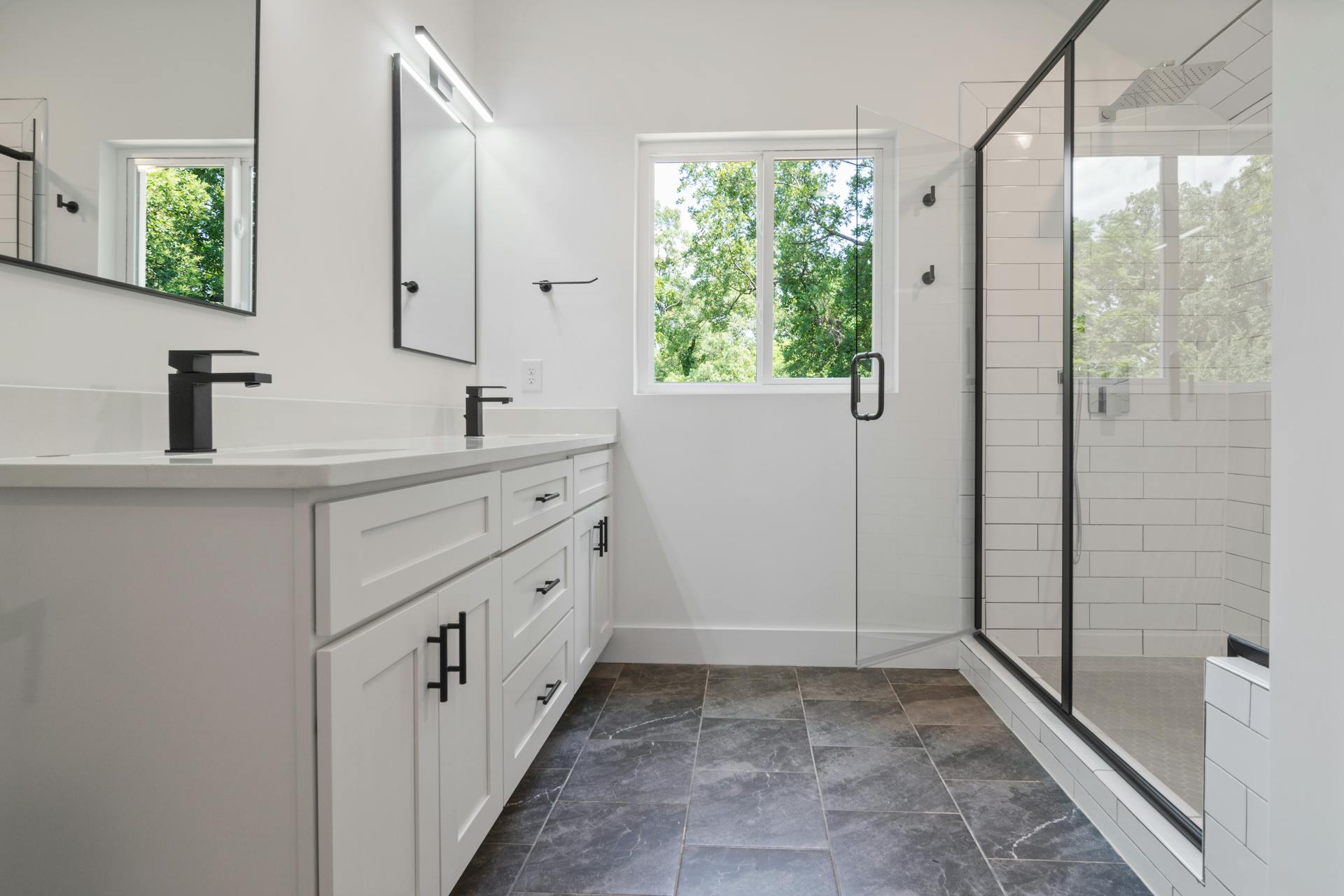
Understanding Porcelain vs Ceramic for Bathroom Flooring
Compare the pros and cons of porcelain tile flooring installation vs ceramic for bathrooms in Sugar Land, Texas, and find the right fit for your space.
Installing new bathroom flooring can feel like a big decision. There is not a lot of room for mistakes in a space that deals with constant moisture, daily use, and changing temperatures. For homes in Sugar Land, Texas, spring brings warmer weather and heavier humidity, making it even more important to choose bathroom materials that hold up well. Porcelain tile flooring installation is one of the options that often gets recommended. But how does porcelain really compare to ceramic when the focus is on durability, ease of care, and comfort?
Both porcelain and ceramic are popular tile choices for bathrooms, but they are not the same. Each has its own strengths and a few trade-offs. Here is what most people want to know before choosing one over the other, especially for a high-use space like a bathroom.
What Makes Porcelain and Ceramic Different
Porcelain and ceramic tiles look a lot alike, but how they are made sets them apart. Both are created using natural clay, shaped, and baked in a kiln. The key difference is that porcelain is made from a finer clay and fired at a much higher temperature. This process makes it denser and less porous than ceramic.
Since porcelain is less porous, it naturally absorbs less water. That makes it a strong pick for places where spills happen often or steam builds up, like in bathrooms. Ceramic is slightly more absorbent, which means it can still be used on walls and floors, but it may need more sealing depending on its finish and how much water it will face.
Knowing how each tile behaves helps with positioning:
- Porcelain is stronger and harder
- Ceramic is a bit easier to cut and install
- Porcelain offers better resistance to moisture and temperature swings
Understanding these basic differences is a helpful starting point when deciding which tile is best.
Durability and Moisture Resistance in Bathroom Conditions
Bathrooms are constantly exposed to moisture. Hot showers create steam, water sometimes drips outside the tub, and sinks get regular splashes. During late spring in Texas, the added humidity in the air makes it even more important for floors to resist water and maintain their shape.
Porcelain tiles resist water better than ceramic. Their dense body helps prevent moisture from seeping in, reducing the risk of damage under the surface. This is part of why porcelain tile flooring installation can be a dependable choice in bathrooms. It holds up under pressure, heat, and wet feet.
Here is how both materials perform under regular bathroom use:
- Porcelain is less likely to chip or crack over time
- Ceramic can show signs of wear earlier but still works well in low-moisture areas like backsplashes or walls
- Porcelain tiles often hold their grip better when wet, depending on the finish
Professional installation matters. Uneven surfaces, poor sealing, or the wrong grout can lead to hidden moisture issues. Having the bathroom tiled by professionals helps the material last longer and perform better over time.
Style and Feel Underfoot
Appearance plays a big part in tile choice, but how it feels to walk on is important as well. Both porcelain and ceramic come in a wide range of colors and textures. Some mimic the look of natural stone or wood, while others focus on bold colors or patterns.
Porcelain offers more design flexibility due to its density. It can be polished smooth, textured for extra grip, or printed with advanced glazing. Ceramic is often lighter and a bit softer underfoot, which can feel more comfortable in spaces where you are standing often.
When Texas heat arrives in late spring, rooms can warm up quickly. Tile helps keep things cool, which is a reason many homeowners choose it for bathrooms. The right finish also reduces the risk of slipping, which is important for families with kids or older adults.
Different finishes offer different experiences:
- Matte surfaces feel stable and reduce slips
- Glossy finishes look clean, but may be slick when wet
- Textured tiles add more grip and tend to hide water spots
Thinking about who will use the bathroom most can help guide the choice. Try getting samples and standing on them barefoot. Texture and comfort underfoot matter more than many people expect.
Care, Cleaning, and Long-Term Maintenance
One of the biggest advantages of tile is how easy it is to clean. Bathrooms get messy quickly, but tile does not hold onto grime the way some other materials do. There are some small differences in care between porcelain and ceramic.
Porcelain, due to its low absorption rate, often needs less sealing and cleaning over time. It does not stain easily, which keeps the surface looking fresher year after year. Ceramic performs well, but it can absorb more water if not properly glazed. That means more attention to sealing and watching for signs of wear.
Maintaining either tile in good shape is influenced by grout quality. Weak sealing around the edges or joints can let in moisture, regardless of how strong the tile is. This is why good installation is important from the very beginning.
Here is what ongoing care looks like:
- Sweep and wipe regularly to remove surface dust
- Check grout lines each season to spot cracks or stains early
- Avoid acid-based cleaners that can wear down sealants
Porcelain leads in long-term strength, but ceramic can perform well with the right care. Both provide a surface that stays cool, resists heavy wear, and is easy to maintain.
The Best Fit for Your Bathroom Space
Deciding between porcelain and ceramic depends on how the room will be used and how much traffic it receives. Some bathrooms only see light daily use, while others, especially those connected to bedrooms or guest spaces, get more foot traffic and moisture.
Porcelain handles moisture, heat, and pressure better than ceramic, making it ideal for floors and high-touch areas. Ceramic offers many style choices and works well for walls or smaller half-baths. Both do the job, but selecting the right tile for every part of the space helps avoid early wear or surface damage.
As late spring and summer arrive in Sugar Land, Texas, staying ahead of the heat and humidity keeps indoor spaces more comfortable. The right tile keeps your bathroom cooler to the touch and helps lower the chance of warping, dents, or hidden moisture issues.
Before making a final decision, it helps to consider:
- Where the tile will be placed (floor, wall, shower zone)
- How many people use the space each day
- Whether the bathroom is near outdoor entry points or sunny windows
Both porcelain and ceramic have their advantages. By considering use, comfort, and maintenance, you can pair the right material with every space from the start.
For a tile option that stands up to everyday splashes, shifting temperatures, and long-term use, our porcelain choices may be just what your bathroom needs. We have worked with homes across Sugar Land, Texas, where warmer weather and increased humidity call for smart flooring decisions. With proper preparation and finish, porcelain brings strength, style, and peace of mind to spaces large and small. Learn more about our porcelain tile flooring installation and let us show you what works best in your space. Contact Sam’s Flooring Gallery to get started.
Related Articles