Large Format Stone or Tile What Works Best for Open Living Rooms
Learn how the right stone tile flooring installation can unify your space, reduce seams, and boost comfort in open living room designs.
Open living rooms bring in fresh air, natural light, and a sense of connection between spaces. They’ve become a go-to design for many people who want big, shared areas that still feel cozy. The flooring plays a big part in pulling that all together. That’s where large format stone and tile enter the conversation.
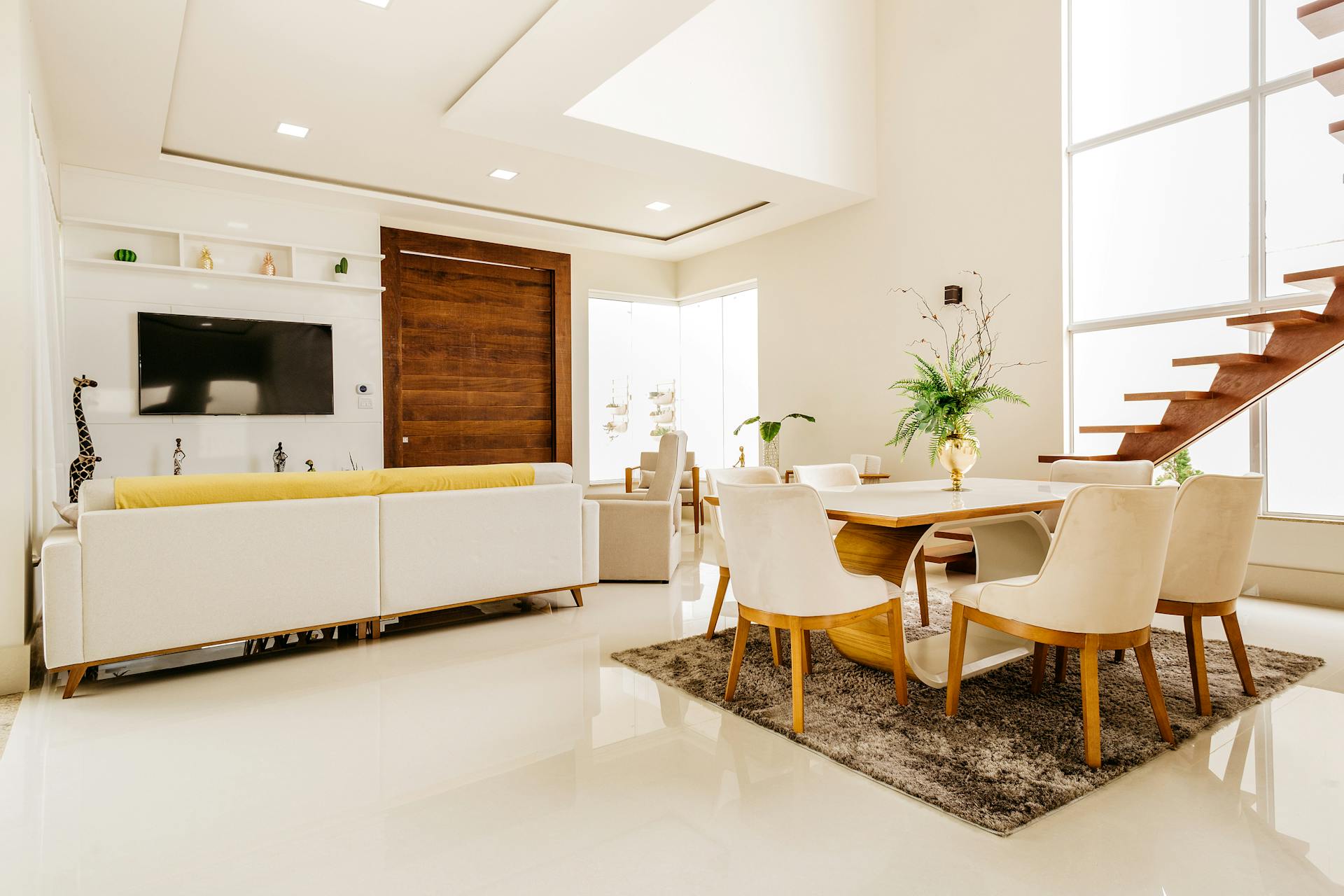
When dealing with a wide, open floor plan, large format surfaces can make the entire space look more even and spacious. Whether you’re leaning toward tile or stone, both have unique strengths depending on your style, climate, and how you use the space every day. The right choice, combined with professional stone tile flooring installation, can make a big difference in how everything looks and lasts.
Understanding Large Format Flooring
Large format flooring usually means tiles or stone pieces that are at least 15 inches in one direction. These oversized styles do the opposite of what smaller ones do. Instead of creating a busy pattern, they create a calm and clean feel, which works especially well in open rooms.
Fewer grout lines can help the floor flow better from one area to the next, whether it’s the living space into a kitchen or a hallway that opens up into a main seating area. The wider layout stretches your sightline and makes the room feel even larger.
Some types of large format options include:
- Porcelain and ceramic tile with matte or polished surfaces
- Natural stone like travertine, slate, or marble in long plank or square formats
- Engineered stone blends that hold up well against wear
Stone Flooring Pros and Cons for Open Living Rooms
Stone creates a sense of depth in open spaces. It brings in natural variation, texture, and a kind of quiet, grounded feel. For homeowners who want a high-end look that stays grounded in natural tones, stone is a solid option.
Spring in Texas is usually warm and humid, and stone does well in this kind of setting. It’s dense and cool underfoot, which might be welcome once temperatures start to climb in late March. Still, stone can be heavy, and many types need a solid subfloor underneath to support the weight. That might mean checking floor joists or adding extra support before installation begins.
Here are a few other points to keep in mind:
- Stone can feel harder underfoot compared to other materials
- It may need sealing or regular upkeep to help prevent stains
- Natural texture can create tiny ridges that may not be ideal in every part of a home
Tile Flooring Pros and Cons for Large Spaces
Tile is popular in larger rooms because it gives more design options. For homes that have modern, rustic, or even industrial styles, tile can be shaped to match the vibe. There are wood-look styles that stretch across living and dining areas, concrete-look tiles for a clean finish, and even natural textured options.
Porcelain, in particular, works well in Texas because it handles heat and humidity without issue. It’s durable, not porous, and stays cool even if it gets direct afternoon sun through big windows.
Tile benefits might include:
- Many pattern and color choices for wide open visuals
- Moisture resistance without needing much upkeep
- Good pairing with radiant heat if warm flooring is important in cooler months
The trade-off might be that tile looks a bit more uniform than stone. For some, that’s a plus, especially in highly used areas, while others may want the variety that natural stone brings.
What to Think About Before Choosing
Before picking between stone or tile, it helps to look at the space as a whole. Open rooms are about flow, and the flooring choice plays into that in a big way. Think about sunlight, the way people walk through the area, and where furniture will be placed.
Here are some basics to review:
- Large tiles in a lighter shade can brighten a room with little window light
- Darker stone can add weight and warmth where you want contrast with white walls or lighter décor
- Spacing, color variation, finish, and visual texture all influence how a floor feels in a bigger space
Stone tile flooring installation also requires close attention when working with oversized pieces. Uneven spots or weak areas in the subfloor can lead to long-term problems. That’s why experience matters, especially when you’re working with heavy or fragile materials that cover more ground all at once.
Built for Function, Chosen for Style
Large format tile and stone can shape how an entire open space feels. They’re not just flooring choices, they’re foundation pieces that help make the whole room feel tied together. Whether you’re drawn to clean, smooth tiles or organic stone textures, selecting a format that works well in an open layout brings the design together.
By focusing on use, comfort, and natural light, we can help match the right flooring to the way each home functions daily. One surface, stretched across the space with fewer seams, can make a room feel grounded, calm, and even more spacious than it already is. With the right planning and material, large format flooring makes the most of the room it covers.
For open living rooms, details like layout, light, and texture matter just as much as durability. That’s why our approach to stone tile flooring installation focuses on getting the right materials and layout to fit the way you use your space. Whether it’s the cool surface of natural stone or the seamless look of large format tile, we take every step with daily comfort and long-term performance in mind. At Sam’s Flooring Gallery, we help you bring open spaces together with floors that feel solid and look just right. Give us a call to get started.